
NIAB trials explore fish hydrolysate applications to help deter CSFB feeding in winter OSR
Cabbage stem flea beetle (CSFB) remains one of the biggest barriers to reliable winter oilseed rape (WOSR) establishment. While pressure varies year to year, CSFB is consistently capable of causing significant early plant loss and uneven crops. With fewer effective control tools available, attention is increasingly turning to fundamental changes that can be made during establishment — from prioritising soil health to using integrated approaches that help crops tolerate stress and reduce the impact of early feeding.
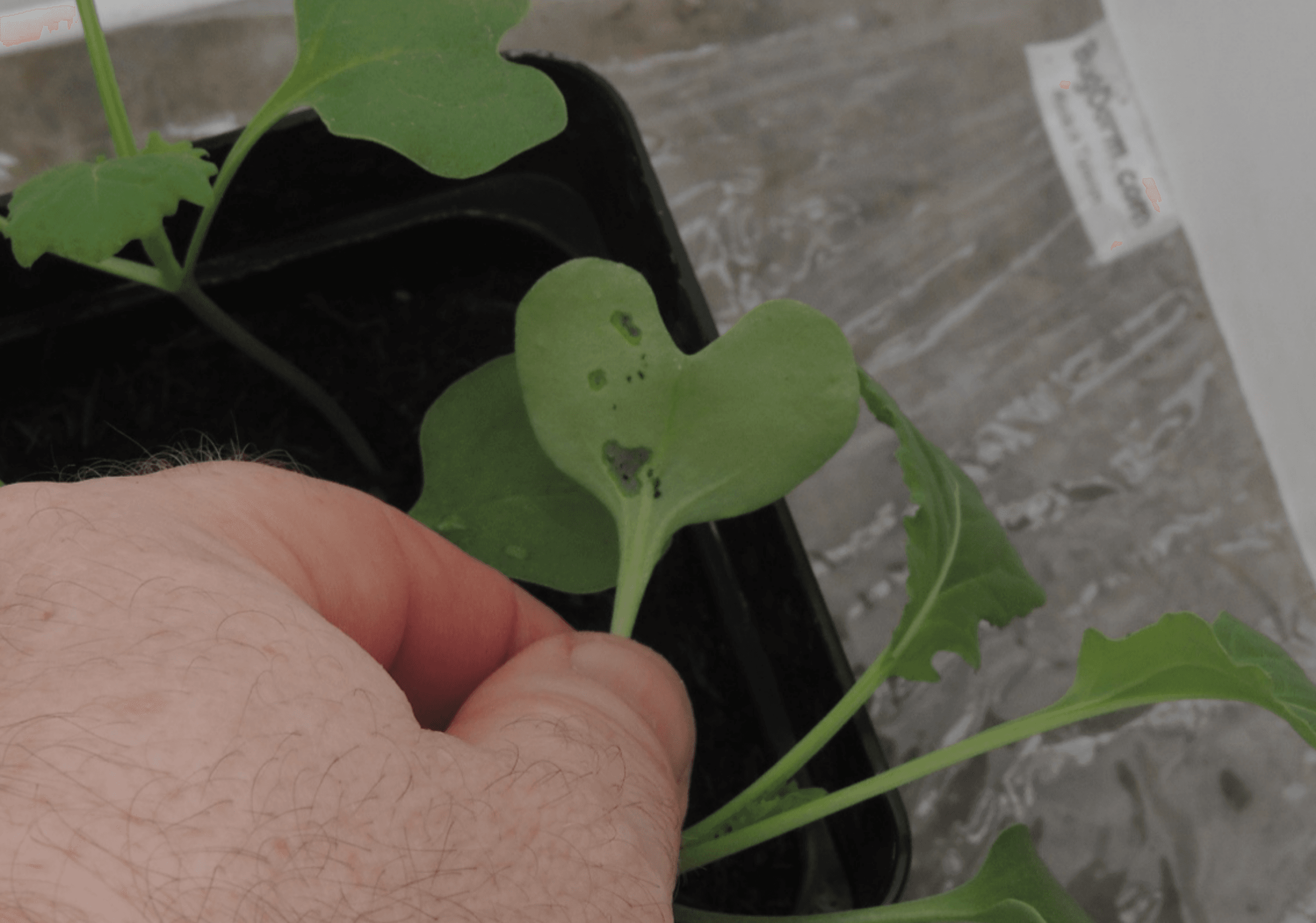
Research carried out at NIAB’s greenhouse testing facility in Cambridge has explored whether a fish hydrolysate application could influence CSFB feeding behaviour during the most vulnerable growth stages. The work focused on young, establishing oilseed rape plants and assessed damage to cotyledons, leaves and stems compared to untreated controls.
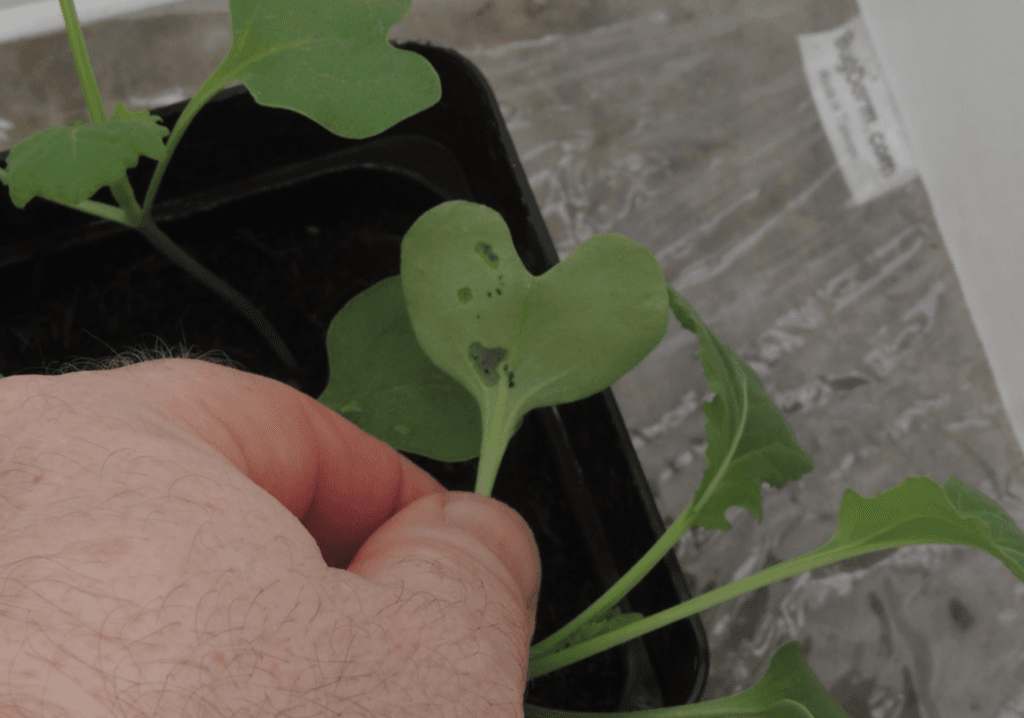
In the trials, applications of Sea2Soil were associated with reduced feeding damage across multiple plant parts, with NIAB reporting reductions versus untreated plants of 32% on cotyledons, 90% on leaves and 59% on stems.
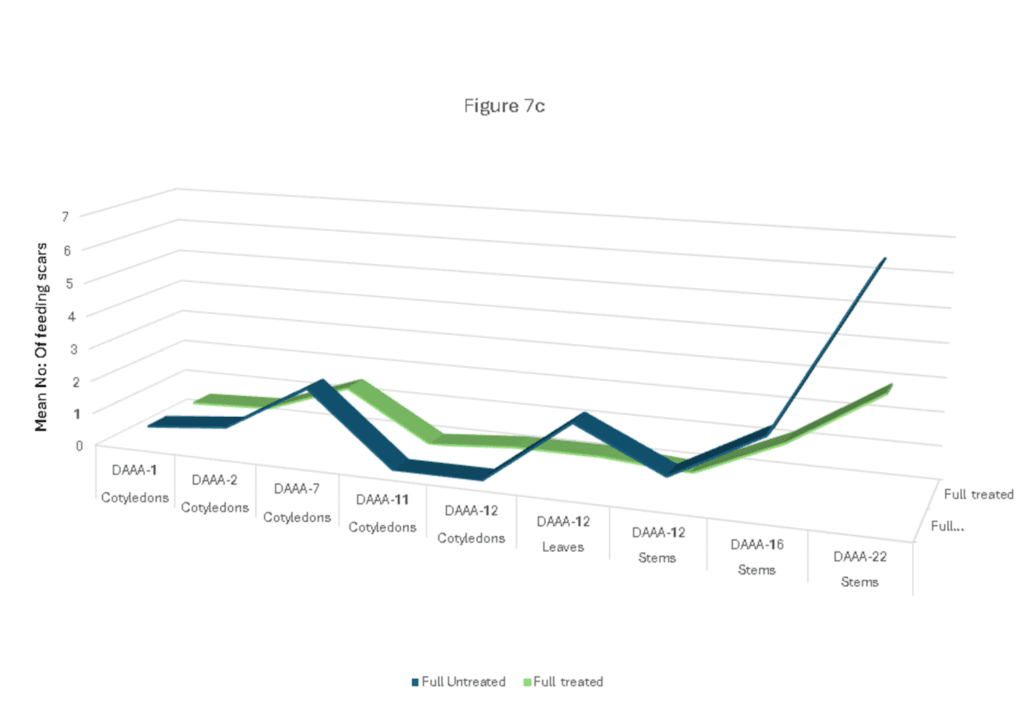
Importantly, the results suggest timing plays a key role in any potential benefit. Sea2Soil applied at half, full and double field rates, with a full field rate for WOSR referenced as 10L/ha, showed a significant reduction in CSFB feeding on cotyledons within two days of application. The same application rates were also linked to lower cotyledon feeding damage for up to seven days after application, with indications that this cover may last until cotyledons senesce.
Adrian Harris, NIAB Lead Researcher, commented: “Sea2Soil showed a significant reduction in the feeding of cabbage stem flea beetles on cotyledons within two days of application – several different rates showed a reduction in feeding damage up to seven days after application and may convey cover until they senesce.”
The NIAB findings form part of Sea2Soil’s wider research and development programme, which has seen the product involved in collaborative research with a number of leading UK organisations over a four-year period. This long-term trials work has been important in building a clearer picture of Sea2Soil’s wider role in soil health, plant growth and crop resilience.
Guy Gibson, trials agronomist at Enhanced Efficacy, said long-term trials work, high-quality research and key indicators are crucial to assessing the overall success of Sea2Soil as a soil improver and improving understanding of the product’s wider capabilities.
Although this latest work is focused on pest feeding, it sits within a broader conversation about building establishment resilience. Early season crop performance is tightly linked to nutrition availability, root development and soil function, particularly where crops face multiple stresses at once, including drought, waterlogging, pest pressure and disease risk.
Sea2Soil’s wider impact on soil activity and biology is already being explored through indicators such as worm counts, pH, carbon retention, organic matter, soil moisture and porosity. These wider soil-health benefits are particularly relevant as growers look for approaches that can support resilient crop establishment across conventional, regenerative and organic farming systems.
Liz Brown, Sales Manager at Pelagia, added: “We see Sea2Soil as far more than a natural source of nitrogen and amino acids, but as a soil prebiotic that leads to a healthier soil environment, better crop health and confers increased resilience to environmental and other crop stresses which are becoming more prevalent in UK farming season on season.”
With volatility continuing across global markets, disruption to UK fertiliser costs and supply into 2027 remains a live concern. As a UK-sourced and manufactured input that supports nitrogen and amino acid supply as well as soil biology, Sea2Soil offers farmers an alternative solution ahead of the autumn season — not only to help minimise the potential impact of these global issues on yield, but also on input costs and margins.
For growers and Sea2Soil’s UK distribution partners, the NIAB findings offer a useful addition to the evidence base around establishment support in winter oilseed rape. The Sea2Soil team is also planning to extend its research trials in the 2026/27 season, continuing to explore how fish hydrolysate applications can support crop resilience at key establishment timings.