
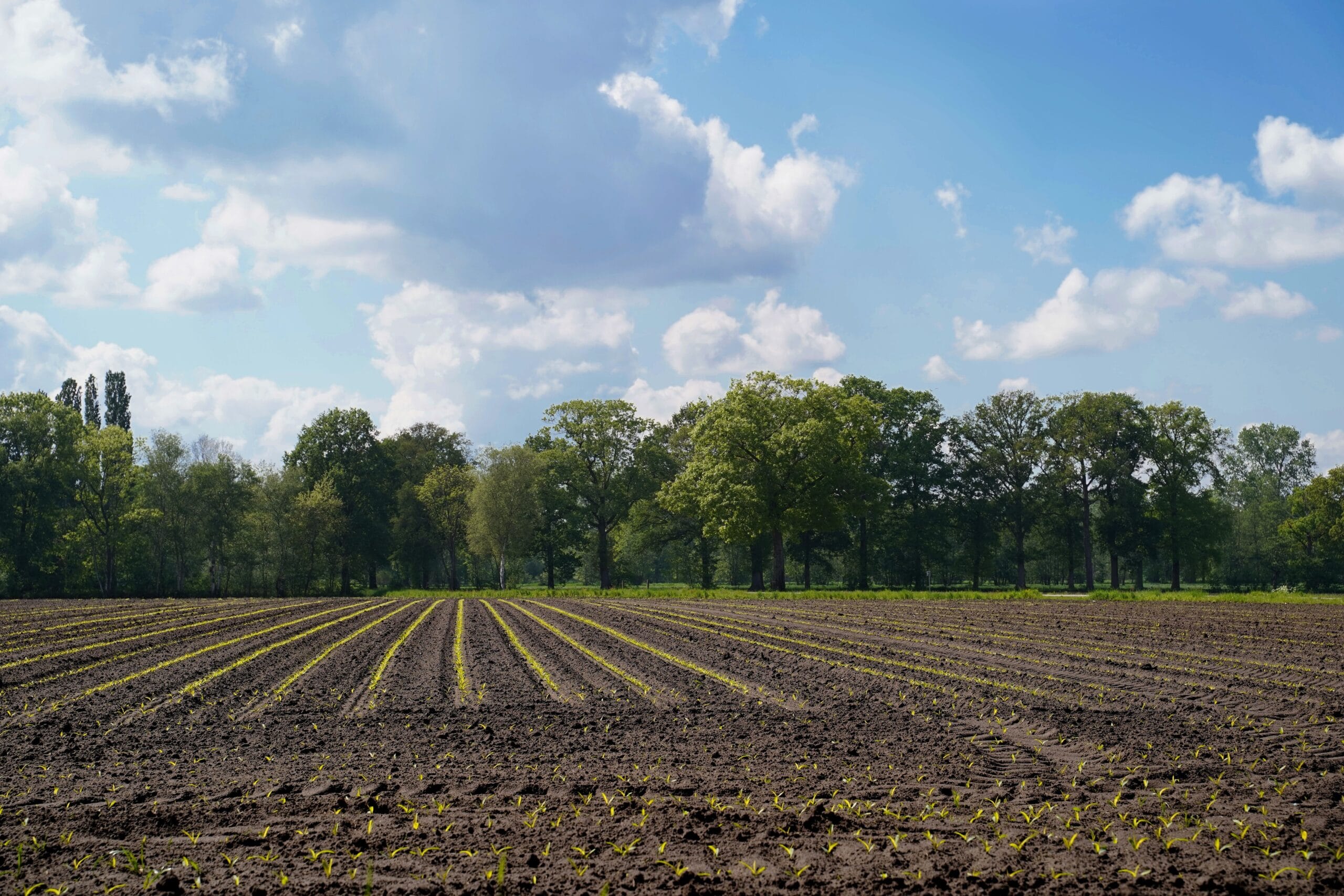
Make the most of the autumn window for stronger winter crop establishment
Following an exceptionally dry July and August, the arrival of rainfall across parts of the UK has brought much-needed moisture back to the upper layers of the soil.
For farmers preparing to establish winter cereals, oilseeds and pulses, this change in conditions could provide a valuable opportunity.
Soil temperatures remain relatively warm during early autumn. When sufficient moisture is also available, conditions become more favourable for soil microorganisms and the biological processes that help make nutrients available to growing crops.
Applying Sea2Soil during this early establishment period can support soil biology, crop nutrition and root development—helping winter crops build a stronger foundation before temperatures fall and growth slows.
Why early autumn conditions matter
Successful establishment depends on more than placing seed into moist soil.
Young plants must develop roots, access nutrients and build sufficient biomass to withstand the environmental and biological pressures they may face over winter. This requires a functioning relationship between the crop and the soil microbiome.
Beneficial soil bacteria and fungi help decompose organic materials and convert nutrients into forms that plants can use. They also contribute to soil structure, moisture dynamics and the development of healthy root systems.
However, these biological processes take time and are influenced by conditions in the soil. Temperature and moisture are particularly important.
Applying a soil improver while soils are still warm and moist can help stimulate biological activity when newly germinating crops have rapidly developing nutritional requirements. For winter crops, September and October can therefore offer an important window for application.
Supporting soil and crop together
Sea2Soil is a fish hydrolysate soil improver that can be utilised by both the soil microbiome and the plant.
It contains naturally balanced amino acids and fatty acids, alongside essential macronutrients such as nitrogen, phosphorus and potassium. It also provides calcium, magnesium and other trace elements in a bioavailable form.
This combination makes Sea2Soil a valuable food source for soil microorganisms while contributing to the nutritional needs of the growing plant.
Rather than concentrating solely on feeding the crop, its role is to support the wider biological system responsible for cycling nutrients and making them available. This can help create the conditions for stronger roots, healthy early growth and greater tolerance of environmental stress.
Sea2Soil can be incorporated into conventional, regenerative and organic farming systems, either as part of an existing crop nutrition programme or as a foundation on which to build one.
Build resilience before crops face pressure
Recent seasons have demonstrated how quickly growing conditions can change.
A prolonged dry period can restrict germination and early root development. Intense or sustained rainfall can then result in waterlogged soils, poorer aeration and narrower windows for fieldwork.
Once a crop is already experiencing stress, the opportunity to influence its establishment may be limited. Supporting soil biology and crop nutrition early allows plants to develop before colder temperatures, saturated soils or pest pressure create additional challenges.
The aim is not simply to encourage rapid top growth. A well-established root system enables the crop to explore a greater volume of soil for water and nutrients, while biologically active soil helps keep those nutrients cycling.
This is especially important for crops such as oilseed rape, where rapid establishment can help plants grow away from damage caused by cabbage stem flea beetle.
In NIAB greenhouse trials, Sea2Soil reduced feeding damage to oilseed rape leaves by 90% 12 days after application. Feeding damage to stems was reduced by 59% after 22 days.
Sea2Soil should not be viewed as a direct control for cabbage stem flea beetle. However, the results indicate that it may have a valuable place within a broader establishment strategy that also considers drilling date, soil moisture, crop nutrition and local pest pressure.
When should Sea2Soil be applied?
For winter cereals, oilseeds and pulses, Sea2Soil is best applied early, while the crop is germinating or beginning to establish.
It can be used:
pre-drilling, applied directly to the soil;
after drilling but before crop emergence; or
post-emergence, as soon after drilling as conditions allow.
The standard application rate for winter crops is 10L/ha, subject to crop-specific recommendations and agronomic advice.
Sea2Soil is compatible with a range of plant protection and crop nutrition products, allowing it to be incorporated into existing field operations where appropriate. Growers should confirm compatibility before creating any new tank mix and follow the recommended guidance for each product.
Make biology part of the establishment plan
There is no single input that can guarantee successful establishment. Seed-bed condition, drilling timing, soil moisture, pest pressure and the weather that follows will all influence crop performance.
However, growers can take steps to give young plants a stronger starting point.
Using the remaining warmth and returning moisture of early autumn to support soil biology can help improve nutrient cycling, root development and crop vigour before winter. It is a proactive approach: building resilience while conditions are favourable, rather than waiting until the crop is under pressure.
With weather patterns becoming increasingly difficult to predict, that capacity to establish strongly and withstand change is likely to become an even more important part of winter crop management.
For crop-specific application guidance and further information about incorporating Sea2Soil into an autumn nutrition programme, visit our Application Guide or speak to your agronomist or distributor.