ORGANIC SOIL IMPROVER: Providing a full nutritional profile for you soil to make it healthier and more productive


Growers moved quickly this month to establish oilseed rape following the return of rainfall, with concern over Cabbage Stem Flea Beetle adding to demand for SeaBoost, created in partnership by Sea2Soil and QLF Agronomy for Agrovista’s Innovation Range.
Demand for SeaBoost has risen sharply following rainfall across parts of the UK, as growers have taken advantage of improved soil moisture to drill and establish oilseed rape.
An exceptionally dry July and August allowed many farmers to complete harvest early, but a lack of moisture prevented some from drilling oilseed rape as soon as they had intended. Rain during early September has now created an important establishment window, while soil and air temperatures remain warm.
With Cabbage Stem Flea Beetle pressure also causing concern, growers are looking at applying SeaBoost as a deterrent against this pest and also to help emerging crops establish strongly and grow away from potential feeding damage.
“SeaBoost demand has gone through the roof,” says David P. Maxwell, National Sales Director at QLF Agronomy. “Farmers came through harvest incredibly quickly and wanted to get oilseed rape into the ground, but there simply wasn’t enough moisture in many areas.
“Now that rain has arrived, they aren’t hanging around. Growers want to give crops the best possible chance of getting out of the ground, establishing strongly and growing away from flea beetle pressure.
“There is also concern that autumn could settle in quickly and bring prolonged rainfall, so farmers are looking to make the most of the opportunity while conditions allow.”

Distributed by Agrovista, SeaBoost combines Sea2Soil—an amino acid-rich fish hydrolysate—with L-CBF TerraFed, a liquid carbon fertiliser based on molasses.
Sea2Soil provides naturally balanced amino acids, fatty acids, trace elements and organic nitrogen, supporting root exudation and microbial enzyme activity. L-CBF TerraFed supplies fermentable sugars and fulvic acid to energise microbial populations and help improve the carbon-to-nitrogen balance.
Together, the components are complementary, intended to support soil biological activity, early crop nutrition, root development and crop establishment.
Agrovista agronomists tested the concept commercially last season by tank mixing Sea2Soil and L-CBF products. Reports from the field included visible greening of oilseed rape crops, even where flea beetle pressure was relatively low.
“Recent experience has shown us that several different tactics can add up to improve the chances of successful oilseed rape establishment,” says Chris Martin, Agrovista’s head of soils.
“That includes the use of organic soil amendments. SeaBoost brings together amino acids, nutrients and a readily available carbon source in a formulation designed to support biological activity and plant establishment.”
Independent NIAB greenhouse trials have also examined Sea2Soil’s effect on feeding damage caused by cabbage stem flea beetle.
The trials recorded a 90% reduction in feeding damage to oilseed rape leaves 12 days after Sea2Soil application. Damage to stems was reduced by 59% 22 days after application.
The findings indicate a potential role for Sea2Soil in an integrated approach to crop establishment and flea beetle management, alongside drilling decisions, soil moisture, crop nutrition and other agronomic measures.
SeaBoost does not kill cabbage stem flea beetles and should not be viewed as a direct replacement for crop protection products. Instead, its potential lies in supporting stronger establishment while helping to make the emerging crop less susceptible to feeding damage.
Chris adds: “It’s like the ultimate biostimulant—ticking every box of what a grower would want from one. I really think we will find that every acre of oilseed rape could benefit from using it.”
Further trials to find the best timing to apply SeaBoost to test its deterrent activity in a more controlled manner are planned for this coming autumn. Agrovista will also be looking at further product development, including investigating mixing with its cellulose nanofibre product, Nanomesh, which acts as a physical barrier against the pest, to find out whether that approach provides even further protection.
For further information about SeaBoost, recommended application timings or availability, contact the team at Agrovista’s Innovation Range.
For further information about Sea2Soil, recommended application timings or availability, contact the Sea2Soil team.
For further information about L-CBF TerraFed, recommended application timings or availability, contact the QLF Agronomy team.
Cabbage stem flea beetle (CSFB) remains one of the biggest barriers to reliable winter oilseed rape (WOSR) establishment. While pressure varies year to year, CSFB is consistently capable of causing significant early plant loss and uneven crops. With fewer effective control tools available, attention is increasingly turning to fundamental changes that can be made during establishment — from prioritising soil health to using integrated approaches that help crops tolerate stress and reduce the impact of early feeding.
Research carried out at NIAB’s greenhouse testing facility in Cambridge has explored whether a fish hydrolysate application could influence CSFB feeding behaviour during the most vulnerable growth stages. The work focused on young, establishing oilseed rape plants and assessed damage to cotyledons, leaves and stems compared to untreated controls.
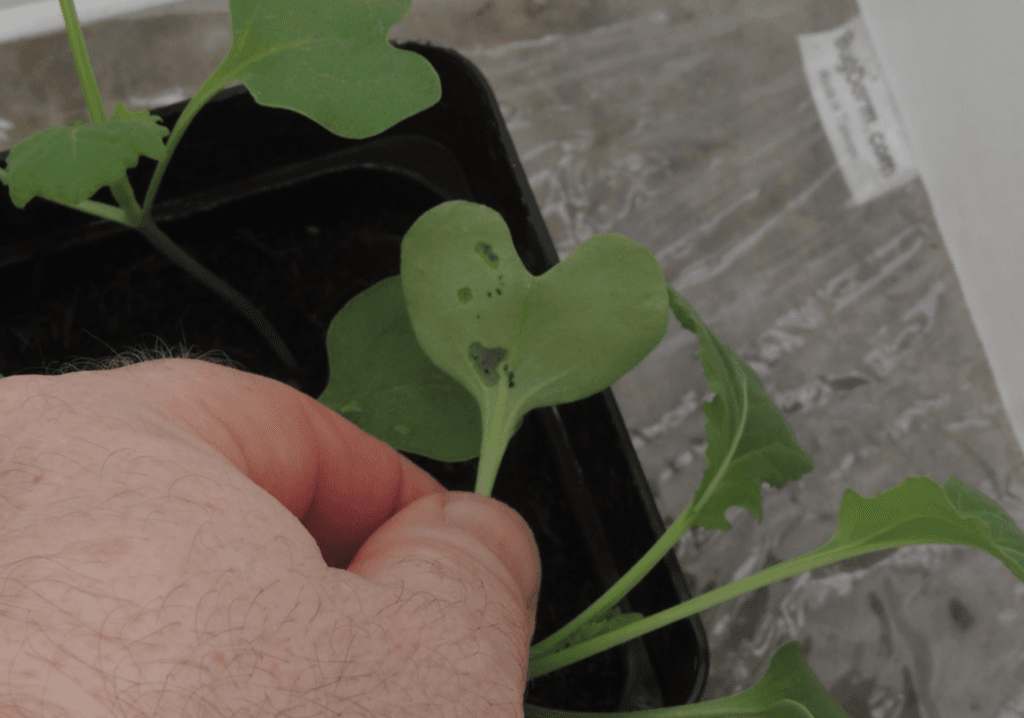
In the trials, applications of Sea2Soil were associated with reduced feeding damage across multiple plant parts, with NIAB reporting reductions versus untreated plants of 32% on cotyledons, 90% on leaves and 59% on stems.
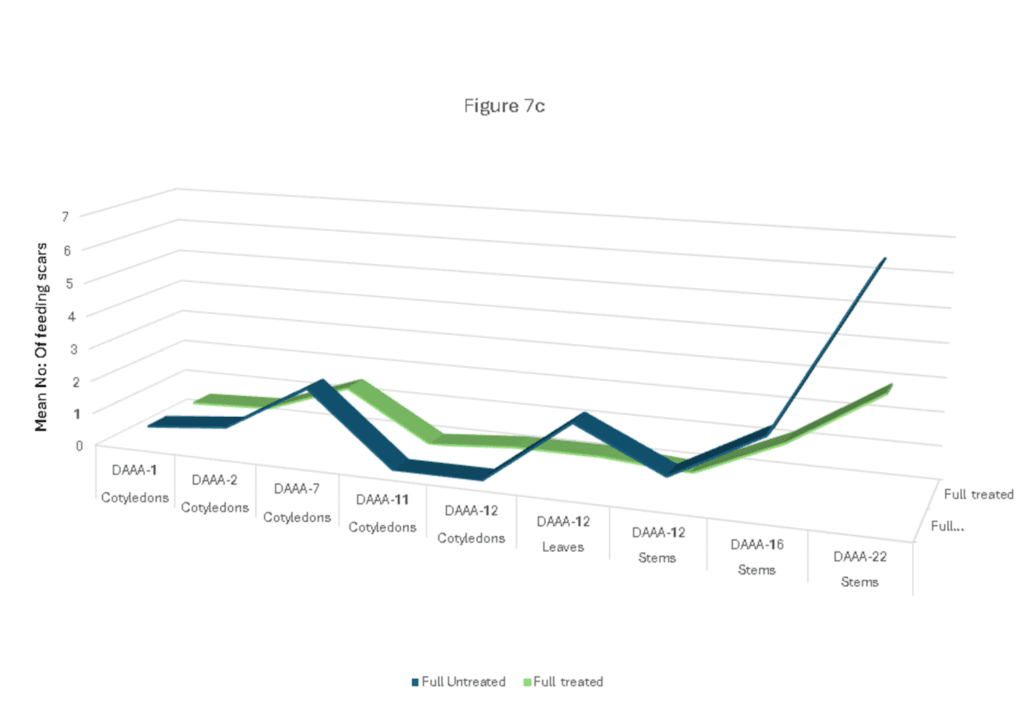
Importantly, the results suggest timing plays a key role in any potential benefit. Sea2Soil applied at half, full and double field rates, with a full field rate for WOSR referenced as 10L/ha, showed a significant reduction in CSFB feeding on cotyledons within two days of application. The same application rates were also linked to lower cotyledon feeding damage for up to seven days after application, with indications that this cover may last until cotyledons senesce.
Adrian Harris, NIAB Lead Researcher, commented: “Sea2Soil showed a significant reduction in the feeding of cabbage stem flea beetles on cotyledons within two days of application – several different rates showed a reduction in feeding damage up to seven days after application and may convey cover until they senesce.”
The NIAB findings form part of Sea2Soil’s wider research and development programme, which has seen the product involved in collaborative research with a number of leading UK organisations over a four-year period. This long-term trials work has been important in building a clearer picture of Sea2Soil’s wider role in soil health, plant growth and crop resilience.
Guy Gibson, trials agronomist at Enhanced Efficacy, said long-term trials work, high-quality research and key indicators are crucial to assessing the overall success of Sea2Soil as a soil improver and improving understanding of the product’s wider capabilities.
Although this latest work is focused on pest feeding, it sits within a broader conversation about building establishment resilience. Early season crop performance is tightly linked to nutrition availability, root development and soil function, particularly where crops face multiple stresses at once, including drought, waterlogging, pest pressure and disease risk.
Sea2Soil’s wider impact on soil activity and biology is already being explored through indicators such as worm counts, pH, carbon retention, organic matter, soil moisture and porosity. These wider soil-health benefits are particularly relevant as growers look for approaches that can support resilient crop establishment across conventional, regenerative and organic farming systems.
Liz Brown, Sales Manager at Pelagia, added: “We see Sea2Soil as far more than a natural source of nitrogen and amino acids, but as a soil prebiotic that leads to a healthier soil environment, better crop health and confers increased resilience to environmental and other crop stresses which are becoming more prevalent in UK farming season on season.”
With volatility continuing across global markets, disruption to UK fertiliser costs and supply into 2027 remains a live concern. As a UK-sourced and manufactured input that supports nitrogen and amino acid supply as well as soil biology, Sea2Soil offers farmers an alternative solution ahead of the autumn season — not only to help minimise the potential impact of these global issues on yield, but also on input costs and margins.
For growers and Sea2Soil’s UK distribution partners, the NIAB findings offer a useful addition to the evidence base around establishment support in winter oilseed rape. The Sea2Soil team is also planning to extend its research trials in the 2026/27 season, continuing to explore how fish hydrolysate applications can support crop resilience at key establishment timings.
Spring finally feels as though it has arrived, but with many fields coming into the season off the back of wet winter weather that saturated soils, managing and improving soil biology, now, is a top priority.
With conditions improving, farmers are being presented with the opportunity to boost soil health and optimise nutrition early in newly growing crops. Unlocking underground activity is essential when it comes to optimising soil health; future success doesn’t always start where you can see it!
Soil testing in spring can be a good way to determine the state of soils and help growers identify the levels of bacteria, fungi and protozoa in soils to give an indication of the health of their underground livestock. Taking this view ahead of spring management work is also being seen to help offset overheads traditionally spent on synthetic fertilisers.
There’s no escaping the volatility of fertiliser prices currently, with reports far and wide reflecting how geopolitical tensions in the Middle East continue to intensify their impact on market value. The disruption of supply chains into the UK is a distinct possibility, meaning premiums have increased across gas, oil and freight markets. And, with the UK being highly dependent on the Middle East for key input imports, especially fertiliser, there are risks that costs could increase as production reduces, ultimately impacting prices and margins for farmers tied into fertiliser-dependent cropping systems.
Will Marris, Regenerative Agronomist & Soil Consultant at Terrafarmer, said: “With the recent sharp rise in nitrogen price, improving efficiency this season will be vital. Soil improvers, in my case Sea2Soil, help by feeding amino acids into the soil and plants, and feed biology to help with nutrient cycling. We have used Sea2Soil for a number of years at Terrafamer and have always been impressed with the results. Last year, we put it to the test during the Terrafarmer Biologicals Project on 5 farms across Wales. It showed good improvements to soil biological indicators, alongside forage quality and leaf nutrient content. At the farm at home and other customers’ farms, I have found Sea2Soil drives clover growth in grass/clover or diverse leys. Applying S2S seems to drive clover above-ground biomass, but more importantly, drives nodulation (nodule formation and size, alongside the trace minerals, calcium/boron/molybdenum, required to fix atmospheric N into plant available forms) to increase clover’s N fixation. Sea2Soil has become a vital component in my foliar nitrogen mixes, providing a carbon source to buffer the urea and feed plant available amino acids into the leaf to drive growth and, more importantly, nitrogen use efficiency. In an arable context, I use it as part of my pest management strategy, for example, 10L/Ha at 2-3 leaf in cereals to help manage aphids and prime soil biology, alongside balanced nutrition. If farmers are looking to try a foliar nitrogen approach, then the addition of a product like this one is a fundamental part of a successful system.”
For cereals and oilseeds, fertiliser is one of the highest variable costs for crop production, and if fertiliser prices were to rise sharply, farm application rates could decrease as a result, potentially impacting yields and margins. Grass-based dairy or beef systems also remain exposed to fertiliser price volatility. One way in which growers could shield their farm businesses from these threats or lessen the impact is to apply a soil improver, such as Sea2Soil, to reduce the amount of synthetic NPK fertiliser required for each crop, as Grant James, Business Development Consultant for Sea2Soil explains: “Overall synthetic fertiliser reductions of up to 20-25% are realistic and possible in many situations through careful and planned use of Sea2Soil in a programmed approach. In some systems, where other regenerative and biological approaches are combined, reductions in fertiliser use could become even higher. Vitally, the health of the soil is improved at the same time, which is invaluable, so it’s a great option for growers.”
Products like Sea2Soil can be a good choice for feeding both crops and soil microorganisms, such as beneficial bacteria, which in turn release additional soil nutrients to continue feeding growing crops. Revitalising biological activity in soils fosters an environment in treated soils where beneficials, including earthworms, thrive, helping improve soil aeration, release nutrients in bioavailable form to plants, increase plant resilience to stress, and promote healthy crop growth.
This is not a flash-in-the-pan solution; the process can take time, depending on soil conditions, moisture and temperature. In most spring crops, it is far better to apply the product while the crop is young and first establishing, to provide an optimal boost of essential nutrition exactly when the crop really needs it.
As a useful source of key macronutrients and micronutrients, the right product can also help counter any leaching losses of soil nutrients like nitrogen and sulphur over the winter period, where surface water or saturated topsoil can wash away vital nutrition held in upper soils layers. These upper layers which hold the phosphorus, nitrogen and carbon will help overwintered crops or newly sown spring crops kickstart their spring growth or establishment. More farmers are starting to use the product very cost-effectively to reduce N fertiliser inputs, help soils thrive and reduce crop stress.
James Bucher, of Bucher Farms in Suffolk, added: “We’ve had great success in reducing our synthetic inputs with fish hydrolysate. As a multi-nutrient organic fertiliser and soil feed, it really suits our regenerative farming system. At Knettishall, we apply fish hydrolysate several times through the spring/early summer; we see positive crop responses and many more earthworms than we had before we started using it.”
Colin Chappell, of Chappell Farms in North Lincolnshire, commented: “We use fish hydrolysate in three ways. The main one has traditionally been to 'apologise' for moving the soil. In the early transitional years of direct drilling, when there may be a need for low-disturbance subsoiling, we need to feed soil microbes so they don't begin to destroy soil organic matter. You are providing them with another food source. Once through that stage, we are attempting to correct the soil microdome from one that has become bacterial dominant to one where you enable protozoa to feed on the bacteria, creating a more balanced or even fungal-dominant structure, again by feeding the soil microbes. We do this by adding Sea2Soil to a cocktail that can be placed around the seed at drilling. Thirdly, we have noticed how quickly plants absorb fish hydrolysate as a food source. Unlike artificial fertiliser, which has to be processed within the plant and thus has an initial energy-hungry phase, weakening cell structures, Sea2Ssoil, with its high volume of amino acids, quickly gets into the crop and can rectify deficiencies and combat things like cabbage stem flea beetle in oilseed rape. By creating a more balanced plant, the need for higher volumes of nitrate can be offset.”
A fish hydrolysate, packed with natural amino acids and fatty acids derived from its natural fish oil content, Sea2Soil is rich in essential nutrients N (5% organic Nitrogen equivalent to several KG/ha of synthetic Nitrgoen), P and K, and also provides calcium, magnesium and other trace elements in bioavailable form, establishing a good basis for crop nutritional plans to suit all farming systems; conventional, organic or regenerative.
Versatility and ease of use are crucial to successful take-up of the product, continues Grant: “Being compatible in tank mix with a wide range of plant protection products and the ability to apply multiple applications during the growing season ensures flexibility for growers. In winter-sown crops, a split timing approach of autumn followed by early spring has been the most effective. In spring-sown crops, applying pre-drilling, pre-emergence or as soon after drilling as possible works very well.”
Making the most of organic materials, like the fish hydrolysate found in Sea2Soil, is already proving a beneficial step for growers looking to balance the real risks associated with the cost and availability of synthetic fertilisers this season.
Following a persistently wet start to the year in parts of the UK, growers are being reminded that the impact of prolonged saturation is often felt long after surface water disappears. Waterlogged soils can suppress root function, disrupt nutrient cycling and stall early crop growth, with some crops at risk where flooding has persisted for extended periods.
Alongside the Met Office - which has reported that certain areas of the South-west have experienced rainfall every single day of the year in 2026 (up until mid-February), Northern Ireland has also been reported as experiencing the wettest start to a year since records began, while many areas of Southern England, the Midlands and Wales have seen significant problems caused by recent persistent rainfall this year and extreme weather - recent commentary from Eurofins Agro UK, has underlined the importance of assessment once fields dry sufficiently.
In an article published earlier this month in Agronomist & Arable Farmer, Shane Brewer from Eurofins Agro UK stated that more soil testing is needed to ascertain soil condition following high rainfall experienced throughout most of the UK this winter and that waterlogged crops or crops trapped under flood water for more than 15 days could be lost. Eurofins also noted that the longer-term damage to soil health can only be assessed and determined by soil testing once the flooding or any surface water has subsided.
While visual symptoms above ground can be obvious, the most significant shifts often occur within the soil biology and structure:
As travel becomes possible, advisers are encouraging growers to take a measured approach before “fixing” fields by habit. Soil assessments and testing can help growers identify the levels of bacteria, fungi and protozoa in soil, a vital indication of whether the priority is restoring nutrient availability, supporting microbial recovery, improving structure and friability, or reducing crop stress while growth resumes.
Where nutrient-rich topsoil has been lost through run-off or surface water, growers may need to revisit early-season nutrition plans, especially on lighter or more vulnerable land. This is where early application of soil improvers, including Sea2Soil, can put vital nutrients back into the soil, improving soil condition, helping early crop nutrition, and also improving soil health and resilience.
Compaction risk is heightened when machinery travels on saturated ground, particularly ahead of spring cultivations, herbicide passes or early fertiliser applications. Compacted zones reduce pore space and infiltration, increasing run-off and nutrient loss during subsequent rainfall.
Industry guidance remains consistent: wait until conditions allow, minimise axle loads where possible and consider targeted alleviation only when soils are dry enough to shatter rather than smear.
As growers assess the impacts caused by wet or waterlogged fields this spring, some are looking at biologically supportive inputs and soil conditioners alongside testing and careful field traffic management. Fish hydrolysate-based soil improvers are one example, supplying organic compounds such as amino acids that may support microbial activity and soil conditioning in stressed situations.
Sea2Soil is one such product, used across a range of farming systems. The company says the aim is to support the soil microbiome as well as the crop, contributing to improved structure and resilience over time. Success isn’t always something you can see, but it certainly starts in the soil.
*Growers should always follow label guidance, seek independent advice where needed and avoid applying any product to saturated, flooded or unsuitable conditions.
Season One of The Sea2Soil Podcast is complete! Across six episodes, we’ve heard from six expert voices and listened to their insights into the future of soil health and regenerative farming.
And what a journey it's been. From conservation agriculture principles to real-world regenerative systems, from microbial activity to amino acid applications, we’ve explored the challenges and opportunities facing modern farming through honest, expert-led conversations.
Hosted by our Business Development Manager, Grant James, each episode brought together leading voices from across the UK and Europe to tackle the questions that matter most to growers, agronomists, and farm advisors working to build healthier, more resilient farming systems.
What we covered
We kicked off with Steve Townsend from Soil First Farming, who set the tone by explaining why chemistry, physics, and biology must work together for truly healthy soils. Steve’s insights into conservation agriculture and the role of BASE-UK in farmer-led knowledge exchange reminded us that sustainable change happens through community and shared learning.
Regen Ben opened the doors to his Herefordshire farm in Episode Two, showing us regenerative farming in action. His candid discussion about profitability, biodiversity gains, and how Sea2Soil fits into his system across cereals, potatoes, and agroforestry proved that regenerative practices and commercial success can go hand-in-hand.
In Episode Three, James Warne from Soil First Farming introduced us to the concept of ‘underground livestock’, exploring how feeding soil microorganisms is just as crucial as feeding the crops above ground. His practical advice on boosting microbial activity gave listeners tangible steps to improve soil health from the ground up.
Joel Williams delivered a masterclass in Episode Four, breaking down the science of amino acids and soil conditioners. His expert knowledge on application timing, particularly heading into autumn, offered invaluable guidance for growers looking to enhance soil fertility and build long-term productivity.
Episode Five took us to Claydon Farms with Simon Revell, where we explored two years of Sea2Soil trials alongside the Claydon Opti-Drill System. Simon’s insights into establishment technology, soil structure, and upcoming Net Zero trial work with Nottingham University showed the exciting direction farm innovation is heading.
We closed the season with Marian Dichevski, who gave us a window into farming in Bulgaria and across Europe. Marian’s perspective on climate challenges, drought conditions, and the growing need for products like Sea2Soil in European markets reminded us that soil health is a global conversation.
The bigger picture
Running through every episode, however, was a commitment to practical, implementable knowledge. These weren’t theoretical discussions. They were field-based insights from people working directly with soils, facing real challenges and finding real solutions that are already working in their fields.
Whether you’re exploring regenerative practices for the first time or fine-tuning an established hybrid system, this podcast season offered something for everyone.
To our guests: thank you for your time, your expertise, and your willingness to share openly about both successes and challenges. Your contributions have created a resource that will support farmers and advisors for seasons to come.
To everyone who listened, subscribed, and shared episodes: thank you for being part of this community. The feedback we’ve received has been genuinely encouraging, and it’s clear these conversations are resonating with people working to farm better, smarter, and more sustainably.
What’s next?
All six episodes remain available to stream on Spotify and watch on YouTube. If you missed any along the way, now’s the perfect time to catch up. Each episode stands alone, so dive in wherever your interests lie.
As for what comes next, watch this space. The conversations around soil health and regenerative farming are far from over, and we’re committed to continuing to bring expert voices and practical insights to the community. 2026 is already looking very exciting…
Terrafarmer-run farm trials, funded through an Innovate UK research project, are testing and comparing a range of different biological stimulants applied to grassland. Results so far have shown their potential to reduce inputs and improve grass quality.
How has Sea2Soil performed?
Sea2Soil fish hydrolysate delivers a wide range of plant-available amino acids, macronutrients and trace elements to both the crop and soil. Sea2Soil performed very highly in all trial measurements taken, including giving increases in kilograms of dry matter (DM)/ha, crude protein, trace element availability, and microbial biomass, when compared with a control treatment.
According to regenerative agronomist and soil consultant Will Marris at Terrafarmer, a number of products tested (including Sea2Soil) are improving crude proteins and sugar. “If that goes into a silage clamp, you’ve got more sugars for the fermentation process. If you get a better fermentation, you get better-quality forage.”
Out of 7 biological product treatments tested in the trials (over 7 different farm sites), Sea2Soil ranked No.1 and performed highest for crude protein improvement (at 136.225 g/kg) compared to all other products and the control treatment. Sea2Soil also ranked No.3 out of all treatments for improving microbial biomass in mid-season assessments taken. Each farm trial site used large 20 x 160m strips to test all treatments and baseline analysis measurements were taken for all products tested for comparative purposes.
Sea2Soil fish hydrolysate, as a naturally high source of protein and carbohydrate, is a perfect choice for improving soil biology. “By feeding the beneficial underground livestock in the soil i.e. the bacteria and fungi, these in turn are helping with the mobilisation of vital trace minerals such as boron, manganese, and magnesium,” says Grant James, Business Development Manager, Sea2Soil.
Soil, leaf, and forage tests from the trials show more of those nutrients being readily plant-available moving from the soil into the leaf, and therefore into the forage. “This could even reduce the need to supplement trace minerals given to livestock through licks or drenches,” suggests Will.
How biologicals like Sea2Soil work to benefit plants
Traditional fertilisers such as urea or ammonium nitrate prills have an efficiency rate of about 50%. By contrast, solubilised and foliar-applied alternatives can be almost twice as efficient, so less nitrogen is needed. “If foliar nitrogen is applied with biologicals such as molasses, fish hydrolysate, and fulvic acid, nitrogen use efficiency is improved, as you’re applying plant-available nitrogen to the leaf, which is a more direct route into the plant. That’s safer for the plant, but also beneficial and safer for the soil,” explains Will. “You’re feeding the plant and the soil at the same time, and the nitrogen doesn’t get lost via volatilisation or tied up in the carbon and nitrogen cycles in the soil.”
By applying biological and soluble fertilisers like Sea2Soil, farmers can build soil function and fertility, carbon and organic matter, all generally at reduced cost. “Biologicals are inherently more sustainable than a manufactured synthetic nitrogen source,” continues Will. “We’re not saying don’t use any, just try to use a bit less and make it more efficient.”
Valuable cost savings being realised
Using biological and foliar fertilisers can also bring significant cost savings. For example, a grass-based, multicut system might use 250kg/ha of nitrogen. Based on a standard urea application, using a 46% urea product, at a cost of 46p/kg, the cost would be £115/ha. Will explains: “Where we have added in two biological products, molasses and fish hydrolysate (Sea2Soil), to the foliar nitrogen mix, we had a saving of £5/ha,” he says. “A total cost of £110/ha to get a more efficient form of nitrogen into the plant, while reducing nitrogen use by 20%, is quite significant – and you’re feeding the soil.” He adds that nitrogen application rates can, over time, be reduced even further.
“You could easily reduce inputs starting at 25% to 50%, but that wants to be done over a few years in a managed reduction,” he advises. In addition, there is the potential for farmers to save on inputs such as mineral supplements because of the improved flow of nutrients from soil to forage with Sea2Soil and other biologicals.
Timing of application is important
The time of day and weather conditions can make a significant difference to the effectiveness of biologicals and foliar nitrogen, Will says: “If you’re looking at foliar nitrogen plus biologicals, it’s important to time your application right. Early in the morning is a good time, because that’s when the stomata are open.”
He adds that in the morning, especially, the plant will not be overly stressed, so is better at taking in the product, leading to greater efficiencies. While temperature is an important consideration, UV index and humidity should be considered first when applying biological fertilisers and foliar applications.
“When you have a high UV index, the plant is conserving moisture, and it’s not going to want to take in any nutrition,” says Will. “So the biological fertiliser or soluble nitrogen will sit on the leaf and can scorch or burn it, particularly if you’ve got urea in there. It’s best to apply these when the UV index is low and humidity is high. Humidity means moisture, and that means stomata are open to take in these products.”
Sea2Soil recommends applying the product to grassland in 2 or 3 split applications in early spring, mid-spring and late-spring or early summer, and it is also worth taking into consideration grazing cycles as well, so product application is timed around those periods, as Grant explains: “For grassland and herbal leys, applying Sea2Soil at 10 L/ha just before the start of the active spring growth period sets a good baseline and then follow-up with at least one repeat application in May.”
Multiple Sea2Soil foliar applications of 5-10 L/ha can be made in the season up to 3-6 times a year, and Terrafarmer trials work is showing that a ‘little but often’ approach to applications can work well in many grassland situations.
For more information about trials work with Sea2Soil or about using the product this season, please contact Grant James directly.
T: 07976 879646
Acknowledgments: Sea2Soil would like to acknowledge Terrafarmer Innovate-UK trials work and
FW / FWi 04 Nov 2025 article ‘Biological Stimulants: Are they good for grassland?’, read the full article here.
Keeping winter crops healthy to set up well for early spring 2026 looks to be even more vital this season given the very rapid establishment and initial crop growth around UK farms this autumn.
Winter crops including cereals, oilseeds and pulses have established extremely well on the whole this season in response to being drilled into good seedbeds, with sufficient moisture and relatively mild temperatures, which encouraged rapid germination and early growth conditions.
This pronounced early growth and extra plant biomass that many crops now have will need careful subsequent management over the coming winter period, especially as they head into early spring next year. Forward crops can very easily suffer as they come out of winter if sufficient nutrition, a healthy soil environment and soil microbiome is lacking.
A critical stage for crop growth and development, ensuring good soil health and correct plant nutrition before the onset of new spring growth will be essential to enhance and protect yields and profitability. All in the hope of avoiding a repeat of lower yielding crops in 2025.
Of course, we cannot predict what the weather will do next year but, experience tells us that increasing the health and resilience of our soils, through use of soil amendments like Sea2Soil, is getting more important each year as we see changing climatic patterns. Helping crops through difficult periods and extremes of drought, heat or flooding is a part of farm management that is becoming more vital.
“Feeding the soil is part and parcel of feeding the crops. Ensuring good soil health by applying Sea2Soil in early spring feeds the underground livestock in our soils, fostering beneficial microorganisms like bacteria, fungi and protozoa, and earthworms, which in turn help support more resilient crops,” says Grant James, UK Business Development Manager, Sea2Soil.
Split applications of Sea2Soil are recommended for all winter crops in both early autumn and early spring. This coincides with some of the most important periods in a crop’s life, where the first 30-60 days help a crop establish, develop shoots and roots in autumn before the main phase of growth and development in the crop kicks in during the early spring, once soil and air temperatures begin to rise after winter.
“Sea2Soil promotes a biologically active soil substrate, so the soil has better aeration, can retain moisture and releases nutrients in a bio-available form to plants, contributing to better stress tolerance in plants and promoting healthy growth of crops,” explains Grant James.
Cereal crops in particular can be vulnerable at these key stages if sufficient nutrition and soil health is not in place in soils to support them. Application of Sea2Soil is versatile and can be combined with other inputs such as early T0 spring fungicides, early spring herbicides or other crop nutrition applications.
Sea2Soil fish hydrolysate is a versatile soil improver that can be utilised by both the soil microbiome and the plant directly and contains a full range of naturally balanced amino acids and fatty acids. Rich in essential macronutrients such as nitrogen, phosphorus, and potassium, the product also provides vital micronutrients like calcium, magnesium and other trace elements in a bioavailable formulation, establishing a good basis for any crop nutritional plan. All these nutrients play a critical role in plant growth and development phases in the spring, flowering and yield-set. Helping the soil early this spring really will help the crops deliver healthier growth, yields and quality.
To find out more about early spring applications of Sea2Soil in either winter crops or ahead of establishing spring crops, please contact Grant James:
T: 07976 879646
At Sea2Soil, we know there’s no one-size-fits-all approach when it comes to improving soil health or building a resilient farm system. Every field is different, every farm is different, every grower faces unique challenges - but one thing remains constant: the power of shared knowledge and practical insight.
That’s why we’ve launched The Sea2Soil Podcast - a brand-new series of honest, expert-led conversations diving deep into the world of soil health, regenerative farming, and sustainable agriculture.
Hosted by Grant James, Sea2Soil’s Business Development Manager and trusted voice in the farming community, the podcast brings together leading figures from soil consultancy, agronomy, regenerative farming, and more.
Each episode is designed to give you:
Sea2Soil is about more than just producing effective soil improvers - we're on a mission to support the transition toward healthier soils and better farm resilience. That means putting the right voices in the spotlight and creating space for conversations that matter.
We’ve been out in the field, not in the studio, recording episodes that speak to the real challenges and big opportunities in soil management today.
Each episode is packed with scientific knowledge, on-farm experiences, and practical tools to help you adapt, improve, and future-proof your soil health strategies.
Here’s a sneak peek at the first season lineup:
Episode 1: Steve Townsend - Why chemistry, physics, and biology must all work together for healthier soils
Episode 2: Regen Ben - Regenerative farming in action on a Herefordshire farm
Episode 3: James Warne - Feeding the ‘underground livestock’ and boosting microbial activity
Episode 4: Joel Williams - A masterclass on using amino acids to improve soil health
Episode 5: Simon Revell - What two years of trial work reveal about Sea2Soil and the Claydon System
Episode 6: Marian Dichevski - The future of regenerative farming across Europe
The Sea2Soil Podcast will be launching very soon across all major platforms, including YouTube, Spotify, and Apple Podcasts.
Sign up to our mailing list to be the first to hear new episodes and get behind-the-scenes updates delivered straight to your inbox.
Whether you’re knee-deep in your regen journey or just starting to explore new soil strategies, this podcast is here to support you. It’s time to hear from the people shaping the future of farming, with honest conversations that cut through the noise.
The Sea2Soil Podcast.
Expert insight, in your pocket.